

Corea del Nord (II)North Korea (II)
Si no heu llegit la primera part del post us recomano llegir-la abans per poder entendre millor aquesta segona part.
Arirang
Si algún cop heu mirat coses de Corea del Nord (DPRK) fora de les notícies de la TV segur que us heu topat amb imatges de l’Arirang.

L’Arirang és una representació artístisca on participen més de 100.000 persones (a terra i a les grades). És l’activitat humana coordinada més gran del món i és IMPRESIONANT. Com no podia ser menys a Corea del Nord, es celebra a l’estadi més gran del món (150.000 espectadors de capacitat) als afores de Pyongyang. Les dates varien una mica cada any (però acostuma a ser de l’Agost al Setembre/Octubre) i es fa un parell de cops per setmana ens van dir.


Aquí teniu també una foto panoràmica, us recomano veure-la a pantalla complerta. Podeu fer zoom per veure una mica els estudiants
Es va començar a fer una certa promoció als turistes des del 2004-2005, ja que el pais necessita divisa estrangera per importar productes.
La part més especial són els nens de les diverses escoles que s’aseuen a les grades de davant amb unes capertes amb cartolines de colors i les van girant de manera coordinada. Tenen uns directors a la part baixa de les grades i també hi ha altaveus que els hi marquen el ritme. Simplement impossible de fer en cap altre país del món. Podeu veure els noms de les escoles a la foto i l’escalfament en forma de “barres de colors” al video.

I l’escalfament
Durant la ceremònia hi ha diversos “actes” que escenifiquen diversos passatges de la historia de Corea del Nord, de la vida de Kim Il Sung o valors nord-coreans en general. Vaig tenir la sort de seure al costat de l’Alejandro durant la representació i en base als seus comentaris he posat peus de foto per explicar-ho una mica. Disfriteu de les fotos i els videos (els 2 videos del final estan en alta definició si voleu)
[salbumphotos=106,64,max,n,n,picasa_order]
Un pais de caminaries, car-pooling i transport públic
Al cap d’un parell de dies a Pyongyang i rodalies donant voltes amb el minibus una de les imatges més particulars és veure que la majoria de gent va a peu (o en bici en alguns casos). En general molta d’aquesta gent porta o arrosega alguna mena de càrrega (bossa, bidó, caixa, fardell, etc.)
[salbumphotos=109,64,max,n,n,picasa_order]
Això és el resultat de que la gent no pot comprar cotxes sino que hi ha un sistema de “car pooling” amb els cotxes que pertanyen a l’estat (en la seva inmensa majoria). Quan necessites un cotxe (per un motiu prou justificat suposo, desconec els detalls) pots tenir accés a un cotxes durant un període de temps i després el tornes. Hi ha gran varietat de cotxes (però molts Mercedes, per la fiabilitat i perquè els mecànics els coneixen bé) i suposo que hi ha restriccions d’alguna mena en qui pot accedir a quin cotxe.
El color de la matrícula diferencia els tipus de cotxes:
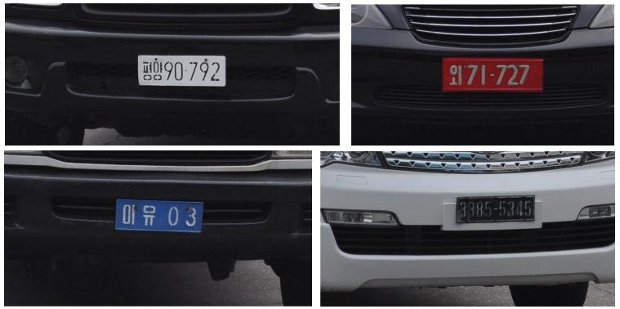
– Blanc: pertany a l’estat
– Negre: pertany a l’exèrcit
– Blau: pertany a organismes internacionals
– Vermell: pertany a empreses privades estrangeres
– Groc: (no ens vaig veure cap), vehicle privat otorgat com a regal per part del govern (esportites d’èlit i similar)
Per moure la gent per la ciutat cal complementar tot això amb transport públic. Hi ha una mica de tot (busos, trolebusos, tramvies i també hi ha metro) i des de vehicles ben nous o molt molt antics (peces de museu) també. En general hi havia forces cues a les parades i els busos es veien molt plens(les rutes més cèntriques sobretot), amb el que sembla que el sistema està infradimensionat per a les necessitats de la ciutat.
[salbumphotos=107,64,max,n,n,picasa_order]
També hi ha taxis! (que pertanyen a l’estat clar). No els pots parar al carrer sino que els has de demanar amb antel·lació.
Als turistes ens porten en minbusos moderns (als turistes xinos en busos grans)
El metro a Pyongyang
El metro de Pyongyang és el més profund del món (155 m sota terra) i està pensat com a refugi contra atacs aèris (a l’entrada hi ha unes portes de ferro molt gruixudes). Anar amb metro forma part de tots els tours. Els convoys són comprats de 2na mà a Alemània (tenen la foto del Kim Il Sung i el Kim Jon Il a cada un) i la decoració de les estacions és tot un espectacle.
Les males llengües diuen que només hi ha 2 estacions (la majoria de tours només van entre 2 estacions) i que els passatgers són de fet actors. Nosaltres vam recórrer 6 estacions (així que n’hi ha més de 2) i la gent estava força acollonida del grup d’estrangers i anaven cap a altres parts del convoy. Va ser un dels primers moments on vam podem interactuar una mica amb la gent nordcoreana, en general tendeixen a ignorar-te i no els hi fa massa o gens de gràcia que els hi facis fotos. El Mark va aconseguir que una senyora gran li toques els pèls del braç (és força pelut) i la dóna no parava de riure.
[salbumphotos=110,64,max,n,n,picasa_order]
Arquitectura a Pyongyang i la DPRK
Queda clar al poc d’arribar que la DPRK és “lo más”: l’estadi més gran del món on es fa l’actuació coordinada més gran del món, l’arc de triomf més gran del món, el monolit més alt del món, el “children palace” més gran del món, l’hotel més alt del món (ara no estic segur amb el Burj Dubai, en qualsevol cas l’hotel està sempre present a Pyongyang), etc. Avingudes, museus, plaçes, monuments…. tot plegat és gegant i fet per impresionar al visitant i també al qui viu allà. Durant les visites als diversos monuments i edificis hi ha una obessió quasi malatissa en informar-te sobre les dimensions exactes de tot (tot sovint té un significat simbòlic com 75m de llarg pel 75 aniversari de Kim Il Sun, 50 metres de diametre pel 50 aniversari del partir, etc… però d’altres vegades és simplement “gran”). Un altre detall a destacar és que amb poques excepcions aquests monuments no tenen trets asiàtics destacables.
Els edificis en general també segueixen el disseny soviètic i n’hi ha d’antics i decadents i també de moderns i amb un disseny més actual. Si no fos pels rètols molts d’aquests edificis podrien ser a l’Alemania Oriental o l’Unió Soviètica. A les zones rurals/granjes s’estila més la casa individual.
[salbumphotos=108,64,max,n,n,picasa_order]
Un detall que potser heu observat en alguna de le fotos és que hi ha botigues (però pertanyen totes a l’estat). Com que no hi ha publicitat ni màrqueting les botigues són molt funcionals i em va cridar l’atenció el joc d’icones que feien servir per identificar-se (una mica com al Zelda o algun altre joc de rol)
[salbumphotos=111,64,max,n,n,picasa_order]
En la meva modesta opinió jo crec que hi ha massa esforç en obres faraòniques d’utilitat limitada (més allà de la demostració de força) quan hi ha altres ámbits on aquesta mà d’obra i diners podrien ser més ben utilitzats.
La televisió
Al hotel teniem TV i es rebien un parell de canals, la programació era bàsicament sobre notícies (tot i que en vaig veure poques), festes arrel d’inauguracions d’obres (una pressa), telenoveles amb miners com a protagonistes i algun programa de caire militar. Un dia hi havia noticies esportives internacionals, amb resum de partit del barça inclós. Us deixo algunes fotos i videos (l´últim vídeo és el final de la programació)

If you have not read the first part of this post I recommend to read it before proceeding with this one.
Arirang
If you’ve looked up for North Korea outside of the the traditional news it is very likely that you saw some images of Arirang.
Arirang is a gymnastic performance where more than 100000 people (on the ground and on the stands). It is the largest coordinated activity on the world (World Guiness record) and it is IMPRESSIVE.
As you might expect being in DPRK, the performance is held at the largest stadium of the world (150000 spectators) at the outskirts of Pyongyang. The dates are not fixed but it usually starts on August and last for 1-3 months, with performances twice a week (as we were told)
Here you also have a panoramic view, I highly recommend to go full screen and zoom to see the students on the stands.
Around 2004-2005 Arirang started to be promoted to tourists as the country needs foreign money to finance their import needs.
The most particular detail of the performance are the kids from the various schools that sit at the stands in front of you. They have a folder with colours that use to display huge images in a coordinated way. They have some directors are the bottom and some speakers to help them. I think that won’t work anywhere else int he world. You can see the names of the schools and the «colour bars» used as warm up.
Warm up
There are various sequences during the performance that explain various episodes of the north korean story, the life of Kim Il Sung or north korean values in general. I was lucky to sit next to Alejandro who explained me about the meaning of the various sequences. Enjoy the pictures and videos! (the last two are available in high definition)
[salbumphotos=106,64,max,n,n,picasa_order]
People walking, car pooling and public transport
After two days in Pyongyang going around with the minibus one of the images that stuck into my mind was to see the amount of people moving on foot (some by bycicle) and carrying all kinds of bags and boxes.
[salbumphotos=109,64,max,n,n,picasa_order]
This is consequence of not being able to purchase a car. The state has a «car pooling» system. When you need a car (I don’t know how you justify the need) you will be provided with a car for a limited amount of time and then you give it back. There are many models but a lot of them are Mercedes-Benz (seems these are reliable and not too complex to repair). I don’t know the details on who and how a citizen can access a car of the pool.
The colour of the plate helps to identify the type of car in the country:
– White: state owned
– Black: army owned
– Blue: Some international organization (NGO, UN, etc.)
– Red: Some international company operating in DPRK
– Yellow: private cars (given as a present for special achievements, such as a gold medal on an international competition). I did not see any of these.
To move people around there is a public transport system with an interesting mix of methods of transport (including metro). Vehicles range from very new ones to pieces for museum. The bus stops are usually crowded and in some of the lines the buses are really packed (as in any other city in the world). I would say the system is a little bit short for the needs of the Pyonyang citizens but it seems to work quite OK.
[salbumphotos=107,64,max,n,n,picasa_order]
There are also taxis (stated owned). You can not hire a taxi on the street and you need to call them in advance.
Tourists use modern minibuses (chinese use bigger buses)
The metro at Pyongyang
The metro at Pyongyang is said to be the deepest in the world (155 m deep) and it is designed as a shelter for the population during aerial attacks (at the entrance you can see very thick metal doors). Taking a metro ride is part of all the tours. The metro wagons are 2nd hand from Germany and the picture of Kim Il Sung and Kim Jong Il is present in every signel wagon. The decoration of the stations is a show on itself.
Most of the tours run only between two stations (and that prompted rumors that only these 2 stations existed and passengers were actors). We took the metro for 6 stations (so at least 6 exist) and people were quite afraid of being close to us. In general north-korean people ignore foreigners (some documentaries mention that it is forbidden for them to speak to foreigners) but few of them seem more interested. Mark managed that an old lady touch his hairy arm and the lady was having a great time.
[salbumphotos=110,64,max,n,n,picasa_order]
Architecture in Pyongyang and DPRK
Shortly after arriving at DPRK it is clear that this country is «the best»: the largest stadium in the world with the largest performance, the biggest Arch of Triumph, the tallest monolith, the biggest children palace, the tallest hotel (before Burj Dubai), etc… Avenues, museums, squares, monuments… everything is huge and build to impress the visitor (and the people living there of course). Guides seem to have an obsession with the figures related to the monuments (size, radius, weight, etc.). Sometimes the figure has a significance (170m tall for the 70th aniversary of Kim Il Sung, 50m radius for 50th aniversary of the party foundation, etc.), somtimes it is just big or massive. I would also highlight the lack of asian style in most of the monuments.
In general, the buildings follow the «soviet style» and it is possible to find very old buildings but also very new constructions. Other than for the Korean propaganda attached, it would be possible to locate these buildings in east Berlin for example. In rural areas there are more individual houses.
[salbumphotos=108,64,max,n,n,picasa_order]
Maybe you’ve noticed in some of the pictures that there are shops! (note: all of them belong to the state). As there is no marketing the shops are very functional and I liked the small icons on top of the door to indicate the type of shop (this is like in Zelda or other RPGs)
[salbumphotos=111,64,max,n,n,picasa_order]
In my humble opinion the country could do better if some of the effort put on building these huge structures would be focused on more urgent needs of the country.
Television
At the hotel room we had a small TV and we were able to watch two channels. TV schedule was basically some news (a lot less than I expected), parties when some infrastructure is finalized (a damn for example), soap operas with miners as main characters and other shows with army people. On day there were some international sports news including a summary of a match from Barça.
Excellent! What i find noticeable is also no Ads anywhere, this is remarkable! People seem happy, too!
Thanks! The only comment is to be careful with what you see on the surface … it would require more time to know what people really feel …
Sorry but I don`feel that people seems so happy…
anyway all is so awesome and a little bit stange ..I am scared to this pictures too ;)
Sorry for my english..
Sònia